 Call Us : 07313726879Call Us : 07313726879
 Send Inquiry
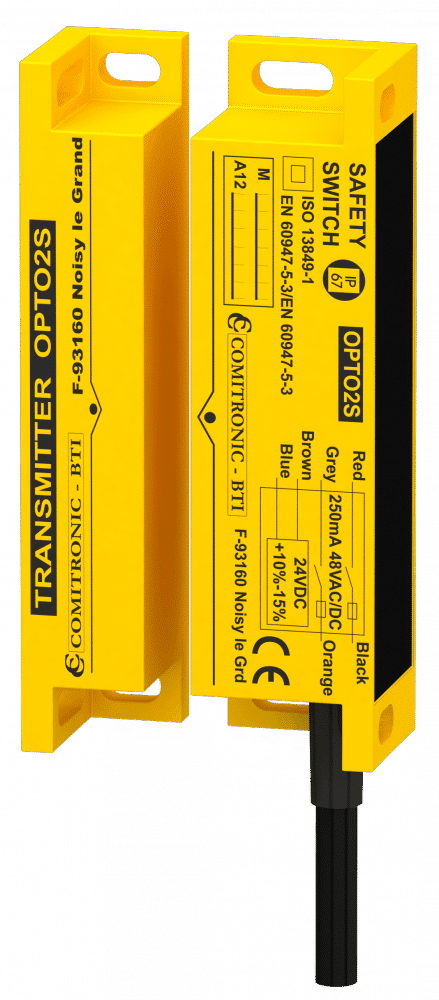
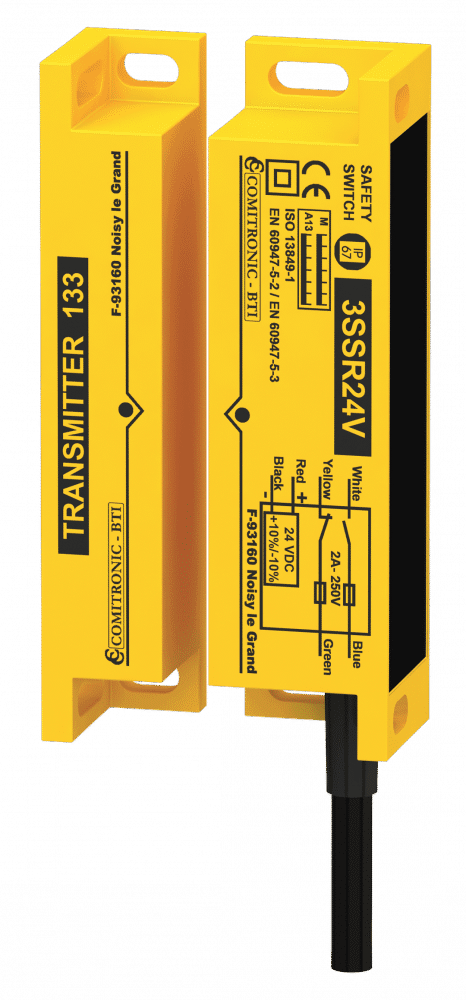
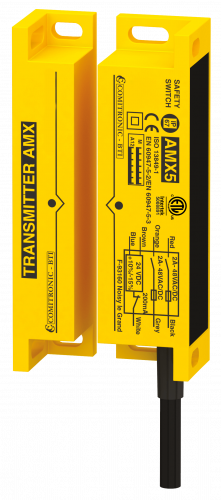
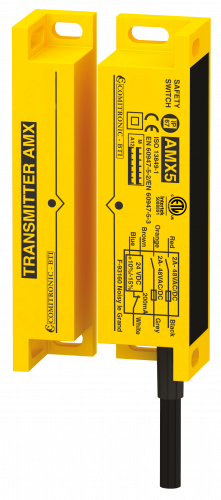
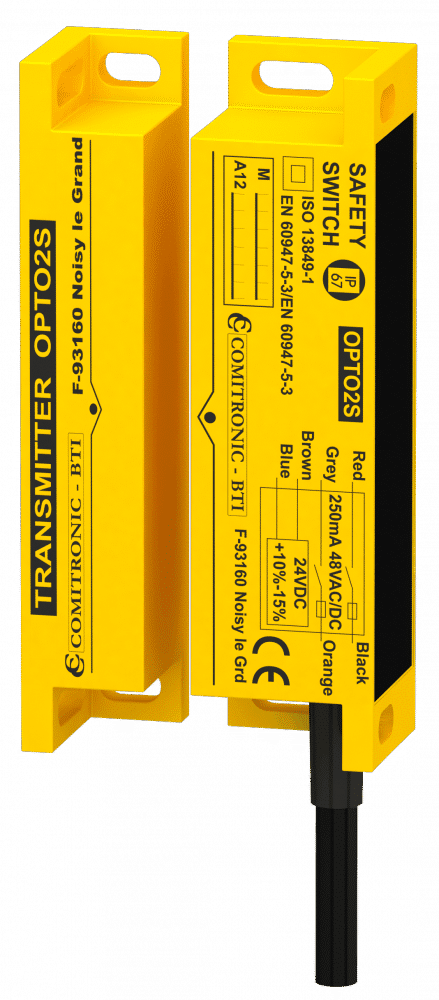
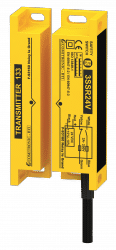
Coded Electronics Safety Switches with safety relays Comitronic-Bti make
Price 5500-12000 INR/ Piece
MOQ : 10 Pieces
Coded Electronics Safety Switches with safety relays Comitronic-Bti make Specification
- Max. Current
- 3A at 250V AC
- Temperature Range
- -25C to +70C
- Finish Type
- Textured/Matte
- Protection Level
- IP67
- Number of Module
- Single / Modular
- Circuit Type
- Safety Relay with Forced-Guided Contacts
- Mechanical Life
- >10 million operations
- Rated Voltage
- 24V DC / 230V AC
- Automation Grade
- Industrial
- Response Time
- <20 ms
- Product Type
- Coded Electronics Safety Switch with Safety Relay
- Material
- High-strength Thermoplastic / Polyamide Casing
- Insulation Resistance
- 100 M at 500VDC
- Contact Resistance
- 50 m
- Max. Voltage
- 250V AC/DC
- Operating Temperature
- -25C to +70C
- Stoke
- 10 mm (Actuator movement for activation)
- Size
- 84 mm x 25 mm x 13 mm (Switch body)
- Color
- Red/Yellow (custom options available)
- Weight
- 65g (approx. per unit)
- Mounting Type
- Surface/Panel Mount
- Current Rating
- 3A resistive
- No Of Poles
- 2NC / 1NO + 2NC contacts (typical)
- Encoding Level
- Highly Coded (per EN ISO 14119 Type 4)
- LED Indication
- Integrated LED for status indication (on select models)
- Actuation Principle
- Non-contact, Coded RFID Electronic
- Output Type
- Potential-free safety contacts + signal contacts
- Connection
- Pre-wired cable or M12 connector (as per order)
- Safety Category
- SIL3, PL e (in combination with suitable relays)
- Shock Resistance
- >30g (11ms)
- Vibration Resistance
- 10-55 Hz, amplitude 1.0 mm
- Switching Distance
- Typical 8 mm (depending on actuator and mounting)
- Hysteresis
- 2 mm
About Coded Electronics Safety Switches with safety relays Comitronic-Bti make
OPTOPUS DEC - Miniature non-autonomous safety switch
Position control for doors / casings on hazardous machinery
Contactless coded electronic sensor
Total safety management with an AWAX controller
Low cost solution for multi-access applications
Level of performance with AWAX controller: up to PL = e
Safety category: up to 4 with an AWAX controller
Reliable Non-Contact Coded RFID Operation
These safety switches utilize advanced, non-contact RFID technology to detect actuator presence, minimizing wear and mechanical failure. Their highly coded actuation provides robust safety, reducing the risk of bypassing or tampering in hazardous industrial areas. The switches comply with EN ISO 14119 Type 4 standards, enhancing safety integrity in demanding automation environments.
Versatile Installation and Durability
Comitronic-Bti safety switches boast a compact, robust housing made from high-strength thermoplastic, offering resistance to vibration, shock, and harsh temperatures from -25C to +70C. With an IP67 rating, pre-wired or M12 connection options, and both surface and panel mounting alternatives, these devices deliver flexibility to suit varying industrial application needs.
User-Friendly Monitoring and Maintenance
Select models are equipped with integrated LED status indicators, making it easy for users to monitor operating conditions at a glance. The switches' long mechanical life (>10 million operations) and rapid response time (<20 ms) ensure efficient production processes and reduced downtime, while the textured finish and customized color options support clear identification.
FAQ's of Coded Electronics Safety Switches with safety relays Comitronic-Bti make:
Q: How do the Comitronic-Bti Coded Electronics Safety Switches ensure tamper-resistant operation?
A: These switches use non-contact, coded RFID technology with a highly coded actuator, compliant with EN ISO 14119 Type 4 standards. This makes them difficult to bypass or defeat, offering superior protection against unauthorized access or tampering in safety-critical systems.Q: What safety certifications and performance levels do these switches meet?
A: When paired with suitable safety relays, these switches are certified to SIL3 (Safety Integrity Level 3) and Performance Level e (PL e), ensuring the highest safety requirements for industrial automation per international standards.Q: When should I use a non-contact safety switch with a safety relay?
A: Non-contact safety switches coupled with safety relays are ideal for applications demanding reliable safety without physical wear, such as guards, doors, and hatches that require frequent opening and closing in harsh or intensive operating environments.Q: Where can these safety switches be installed?
A: Comitronic-Bti safety switches are designed for surface or panel mounting, adaptable to various machines and guarded areas. Their compact size permits easy integration in tight spaces, and their IP67 protection suits both indoor and demanding industrial environments.Q: What is the process for connecting these switches to my safety system?
A: They are available with pre-wired cables or M12 connectors, making installation straightforward. Simply connect the output to your safety relay or control unit following wiring diagrams provided by the manufacturer, ensuring all safety circuits achieve the intended protection level.Q: How does the integrated LED indicator benefit system operators?
A: On select models, the integrated LED provides clear, immediate status indication, allowing operators and maintenance personnel to quickly identify switch status, function, or potential faults, thereby improving diagnostics and minimizing system downtime.Q: What are the key benefits of using Comitronic-Bti coded electronic safety switches?
A: They offer high mechanical durability, rapid response, strong resistance to vibration and shock, flexible installation, and superior safety levels-all contributing to prolonged system life, enhanced operational safety, and lower maintenance costs.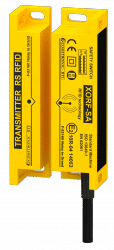
Tell us about your requirement

Price:
Quantity
Select Unit
- 50
- 100
- 200
- 250
- 500
- 1000+
Additional detail
Mobile number
Email

More Products in Non- contact Coded electronics Safety Switches Category

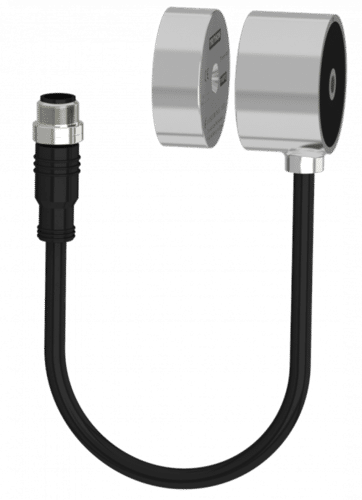
7SSR24V - Cylindrical safety Switch
Price 14000 INR / Piece
Minimum Order Quantity : 5 Pieces
Circuit Type : Normally Closed (NC)
Number of Module : Single
Mechanical Life : 1,000,000 operations
Insulation Resistance : >100M (at 500VDC)
OPTO2S - Miniature safety Switch
Price 8000-10000 INR / Piece
Minimum Order Quantity : 5 Pieces
Circuit Type : SPDT
Number of Module : 1
Mechanical Life : >1,000,000 operations
Insulation Resistance : 100 M (at 500V DC)
Safety switches for high temperature applications
Price 20000 INR / Piece
Minimum Order Quantity : 5 Pieces
Circuit Type : SPST
Number of Module : Single
Mechanical Life : >1,000,000 cycles
Insulation Resistance : >100 M (at 500VDC)
SSR - Safety Switch stand alone - Cat.1
Price 12000-15000 INR / Piece
Minimum Order Quantity : 5 Pieces
Circuit Type : NC (Normally Closed)
Number of Module : Single
Mechanical Life : 1,000,000 operations
Insulation Resistance : 100 M (500V DC)

Address
ISAC ENTERPRISES
GST : 27AYNPM0695C1Z8
GST : 27AYNPM0695C1Z8
- Unit No.404, Ace Aurum Commercial, Opposite Santosa Resort, Off Mumbai Bangalore Road, Ravet,Pune - 412101, Maharashtra, India
- Phone :07313726879
- Send Inquiry
 Send Inquiry
 Send Inquiry
 Send SMS
 |
ISAC ENTERPRISES
All Rights Reserved.(Terms of Use) Developed and Managed by Infocom Network Private Limited. |
