 Call Us : 07313726879Call Us : 07313726879
 Send Inquiry
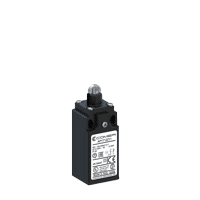
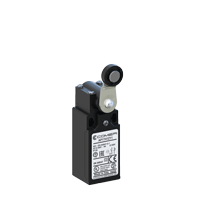
Limit Switches plastic casing 30 mm
Price 2500 INR/ Piece
MOQ : 10 Pieces
Limit Switches plastic casing 30 mm Specification
- Response Time
- 10 ms
- Protection Level
- IP65
- Temperature Range
- -25C to +70C
- Max. Current
- 10 A
- Circuit Type
- SPDT
- Automation Grade
- Industrial
- Rated Voltage
- 250V AC
- Mechanical Life
- Over 1,000,000 operations
- Finish Type
- Matte
- Number of Module
- Single
- Product Type
- Limit Switch with Plastic Casing
- Material
- High-grade Thermoplastic
- Insulation Resistance
- >100 M (at 500 VDC)
- Contact Resistance
- 25 m
- Max. Voltage
- 500 V AC/DC
- Operating Temperature
- -25C to +70C
- Stoke
- 30 mm
- Size
- 30 mm casing (approx)
- Color
- Black/Grey (as per image)
- Weight
- 110-140g
- Mounting Type
- Panel/Surface Mount
- Current Rating
- 10A
- No Of Poles
- 1 Pole
- Storage Temperature
- -40°C to +80°C
- Standards Compliance
- IEC 60947-5-1
- Actuator Type
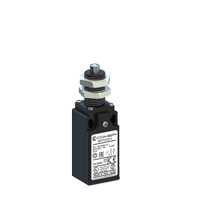
- Plunger Type
- Terminal Type
- Screw Terminal
- Vibration Resistance
- 10-55Hz, 1.5mm double amplitude
- Contact Type
- Snap Action
- Switching Frequency
- 120 operations/min
- Application
- Position Sensing, Machine Tools, Elevator Switches, Industrial Automation
- Shock Resistance
- Mechanical 1,000 m/s²
- Electrical Life
- 500,000 cycles at full load
Limit Switches plastic casing 30 mm Trade Information
- Minimum Order Quantity
- 10 Pieces
- Supply Ability
- 100 Pieces Per Month
- Delivery Time
- 6 Week
- Sample Available
- Yes
- Sample Policy
- Free samples are available
- Main Export Market(s)
- Asia
- Main Domestic Market
- All India
- Certifications
- CE
About Limit Switches plastic casing 30 mm
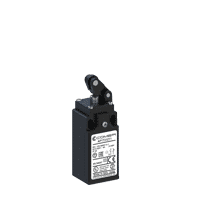
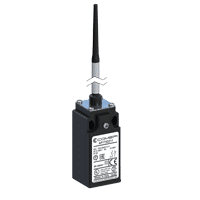
AP - Plastic casing 30mm
Limit switches with plastic casing and dimensions conform to the indications of EN 50047 standard. The AP series by COMEPI is an excellent solution in limit switches choice, beacuse of reduced costs and high customizability, thanks to the wide selection of actuators and contact blocks configurations. These device ensure degree of protection IP65 and they are equipped with one threaded cable inlet with different types of thread. COMEPI produces these devices with excellent results in term of reliability, customer satisfaction and availability in developing new actuation solutions.
Reliable Performance in Harsh Conditions
The limit switch's sturdy thermoplastic enclosure and IP65 protection make it suitable for use in dusty, damp, or mechanically stressful environments. Reliable insulation resistance and robust vibration/shock tolerances enable consistent operation, crucial for critical automation and safety applications. The switch supports up to 120 operations per minute, maintaining performance even under continuous use.
Easy Integration and Versatile Application
Featuring a standard 30 mm casing and screw terminals, this limit switch supports both panel and surface mount configurations, enabling quick installation in a wide variety of machines. Its plunger actuator and SPDT contact structure make it ideal for precision position sensing, commonly required in elevators, machine tools, and automated industrial processes.
Long-lasting Durability and Compliance
Engineered to meet IEC 60947-5-1 standards, the switch offers an impressive electrical life of 500,000 cycles and a mechanical life exceeding one million operations. Its high-grade components ensure low contact resistance and sustained operation across temperatures from -25C to +70C, supporting longevity in demanding industrial use.
FAQ's of Limit Switches plastic casing 30 mm:
Q: How does the plunger-type actuator on this limit switch function?
A: The plunger-type actuator translates linear mechanical movement into an electrical switching action. When an object or machine component presses the plunger, the internal snap-action contacts change state, reliably signaling the machine's control system.Q: What applications are best suited for this 30 mm plastic limit switch?
A: This limit switch is ideal for position sensing in industrial automation, machine tools, elevator systems, and other applications requiring precise and durable switching. Its IP65-rated plastic enclosure ensures suitability for dusty or moist environments.Q: When should I consider replacing this limit switch?
A: You should consider replacement after it nears its specified electrical life of 500,000 cycles at full load or if there are signs of inconsistent switching, increased resistance, or mechanical wear. Regular inspection as part of maintenance routines can help ensure optimal system performance.Q: Where can this limit switch be mounted?
A: The design supports both panel and surface mounting, allowing integration into machine panels, control boxes, or other industrial device surfaces. Its compact size adapts easily to a variety of installation environments.Q: What is the installation process for the screw terminal connections?
A: To install, ensure power is disconnected, then use a screwdriver to fasten wires securely to the screw terminals. The screw terminals accommodate a range of conductor sizes and provide a reliable, vibration-resistant electrical connection.Q: How does the limit switch benefit automated systems?
A: Its fast response time (10 ms), high switching frequency (up to 120 ops/min), and robust mechanical design support safe, precise automation by reliably detecting limits or positions, reducing system downtime and maintenance costs.Q: What are the advantages of high-grade thermoplastic casing?
A: The high-grade thermoplastic casing offers exceptional resistance to impact, temperature fluctuations, and many industrial chemicals. This ensures the switch maintains structural integrity and electrical insulation in diverse operating environments.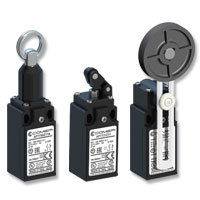
Tell us about your requirement

Price:
Quantity
Select Unit
- 50
- 100
- 200
- 250
- 500
- 1000+
Additional detail
Mobile number
Email

More Products in Limit Switches Category
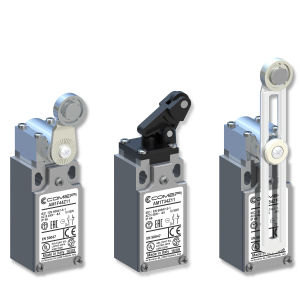
Limit switches metal casing 30 mm
Price 2500 INR / Piece
Minimum Order Quantity : 10 Pieces
Circuit Type : SPDT / DPDT
Automation Grade : Industrial / Automatic
Rated Voltage : 250V AC, 220V DC
Color : Silver Grey / Metallic
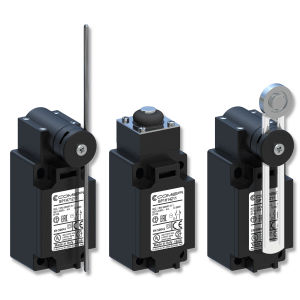
Limit switches plastic casing 40 mm
Price 2500 INR / Piece
Minimum Order Quantity : 10 Pieces
Circuit Type : SPDT
Automation Grade : SemiAutomatic
Rated Voltage : 250V AC
Color : Grey/Black
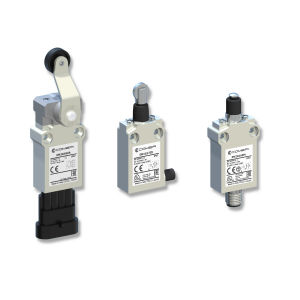
pre wired limit switches metal casing
Price 3000 INR / Piece
Minimum Order Quantity : 10 Pieces
Circuit Type : SPDT
Automation Grade : Manual/Automatic
Rated Voltage : 250V AC
Color : Grey/Silver
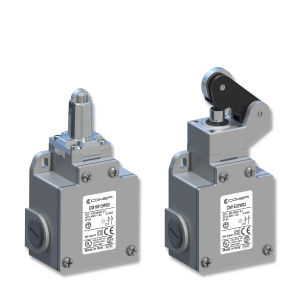
Limit switches metal casing 60 mm
Price 2000-3000 INR / Piece
Minimum Order Quantity : 10 Pieces
Circuit Type : SPDT or DPDT
Automation Grade : Industrial
Rated Voltage : 250V AC
Color : Grey

Address
ISAC ENTERPRISES
GST : 27AYNPM0695C1Z8
GST : 27AYNPM0695C1Z8
- Unit No.404, Ace Aurum Commercial, Opposite Santosa Resort, Off Mumbai Bangalore Road, Ravet,Pune - 412101, Maharashtra, India
- Phone :07313726879
- Send Inquiry
 Send Inquiry
 Send Inquiry
 Send SMS
 |
ISAC ENTERPRISES
All Rights Reserved.(Terms of Use) Developed and Managed by Infocom Network Private Limited. |
