 Call Us : 07313726879Call Us : 07313726879
 Send Inquiry
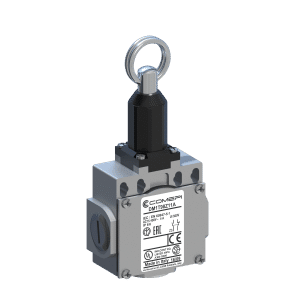
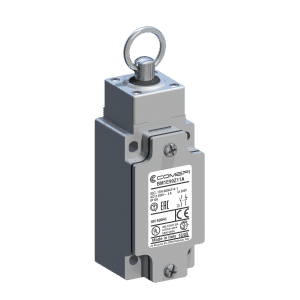
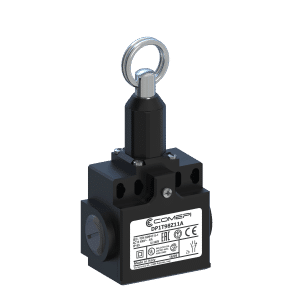
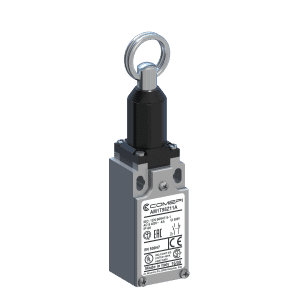
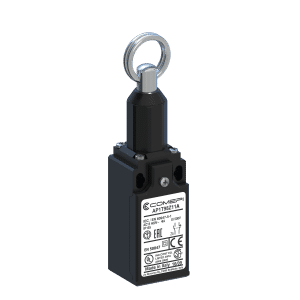
Pull wire limit switches (Traction operation)
Price 3000-4500 INR/ Piece
MOQ : 10 Pieces
Pull wire limit switches (Traction operation) Specification
- Mechanical Life
- >1 million operations
- Temperature Range
- -25°C to +70°C
- Automation Grade
- Manual
- Circuit Type
- 1NO+1NC
- Response Time
- Instantaneous mechanical action
- Rated Voltage
- 250V AC
- Number of Module
- Single module
- Finish Type
- Textured coating
- Protection Level
- IP65
- Max. Current
- 10A
- Product Type
- Pull wire limit switch (Traction operation)
- Material
- Reinforced Glass Fiber Polyamide Body, Zinc-plated Metal Parts
- Insulation Resistance
- 100MΩ (at 500V DC)
- Contact Resistance
- ≤25mΩ
- Max. Voltage
- 500V AC/DC
- Operating Temperature
- -25°C to +70°C
- Stoke
- Manual wire pull (traction)
- Size
- 145mm x 80mm x 56mm
- Color
- Grey / Yellow actuator
- Weight
- Approx. 570g
- Mounting Type
- Surface mounting (4-point) with cable entry
- Current Rating
- 10A
- No Of Poles
- 2
- Reset Operation
- Manual reset required after actuation
- Actuator Type
- Steel wire (pull cord)
- Cable Entry Size
- M20 x 1.5
- Switch Type
- Snap action
- Conductor Connection
- Screw type terminal, max 2.5mm²
- Contact Material
- Silver alloy
- Ambient Humidity
- Max. 95% RH (non-condensing)
- Vibration Resistance
- 10~55Hz, 1.5mm double amplitude
- Shock Resistance
- 30G (approx.)
Pull wire limit switches (Traction operation) Trade Information
- Minimum Order Quantity
- 10 Pieces
- Supply Ability
- 100 Pieces Per Month
- Delivery Time
- 6 Week
- Sample Available
- Yes
- Sample Policy
- If order is confirmed we will reimburse the sample cost
- Main Export Market(s)
- Asia
- Main Domestic Market
- All India
- Certifications
- CE
Pull wire limit switches (Traction operation) About
Pull wire limit switches
Limit switches with rope for simple stop, without manual reset. These limit switches are useful for signalling and for commanding doors or similars. Available also in special version with double signal in traction or release, helpful to signal an eventual loss of tension due to the breaking of the rope.
Superior Safety and Reliability
Engineered with a 1NO+1NC snap action contact arrangement and silver alloy contacts, the Pull Wire Limit Switch guarantees rapid response and dependable performance during emergency stops. Its manual reset function ensures deliberate startup procedures, minimizing accidental restarts and increasing workplace safety.
Built for Industrial Environments
Housed in a reinforced glass fiber polyamide body with zinc-plated components, this switch withstands challenging industrial settings. Boasting an IP65 ingress rating, high shock (30G) and vibration resistance (10-55Hz, 1.5mm), it is ideal for harsh environments without sacrificing operational integrity.
Flexible Mounting and Easy Maintenance
Designed for surface mounting with a convenient four-point system, the switch accommodates a wide range of installation setups. Screw-type terminals for up to 2.5mm2 conductors simplify wiring, while straightforward manual reset makes maintenance both easy and secure.
FAQ's of Pull wire limit switches (Traction operation):
Q: How does the pull wire limit switch operate during an emergency?
A: During an emergency, pulling the attached steel wire (pull cord) actuates the switch. The internal snap action mechanism instantly changes the status of the contacts (1NO+1NC), triggering an immediate response to shut down, stop, or control connected systems for enhanced safety.Q: What environments are suitable for installing this pull wire limit switch?
A: The switch is suitable for industrial settings requiring robust safety controls. Its IP65 rating, reinforced polyamide body, and resistance to shock and vibration make it ideal for harsh or dusty areas, including manufacturing lines and automated machinery environments.Q: When is it necessary to manually reset the switch?
A: A manual reset is required after every actuation. This ensures intentional reactivation, preventing accidental restarts and improving operational safety by allowing personnel to assess the situation before system restart.Q: Where should the device be mounted for optimal performance?
A: For best results, the switch should be surface-mounted using the designated four-point system at accessible locations along conveyor lines, processing machinery, or other equipment requiring emergency shutoff. Proper placement allows quick access in critical situations.Q: What is the process for connecting wires to the switch?
A: Wires are connected via the screw-type terminals provided, accommodating conductors up to 2.5mm2 in size. Ensure the cable enters through the M20 x 1.5 entry and tighten the terminals securely for reliable operation and safety compliance.Q: What are the benefits of using a snap action, manual reset limit switch in industrial automation?
A: The snap action mechanism ensures instantaneous and reliable signal transmission for safety-interlock applications. With manual reset, it prevents accidental system restarts, promoting deliberate and secure corrective actions, reducing downtime and enhancing productivity.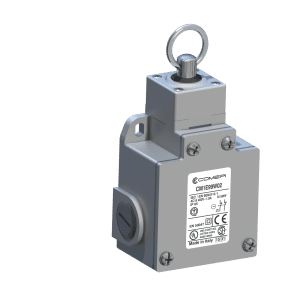

Tell us about your requirement

Price: Â
Quantity
Select Unit
- 50
- 100
- 200
- 250
- 500
- 1000+
Additional detail
Mobile number
Email

More Products in Pull wire Limit switches Category
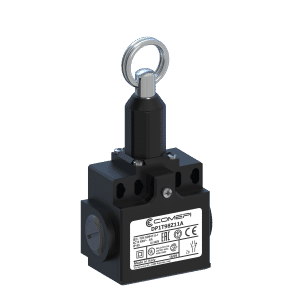
DP-Plastic Body 50 mm
Price 4500 INR / Piece
Minimum Order Quantity : 10 Pieces
Color : Grey
Operating Temperature : 20°C to 60°C
No Of Poles : Double Pole
Contact Resistance : â¤0.05Ω
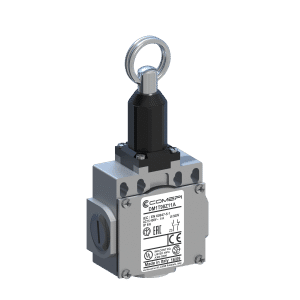
DM-Metal Body 50mm
Price 4500 INR / Piece
Minimum Order Quantity : 10 Pieces
Color : Red
Operating Temperature : 25°C to +55°C
No Of Poles : 1 Pole
Contact Resistance : â¤50mΩ
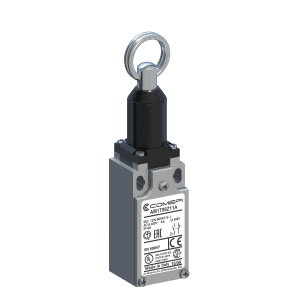
AM-Metal body 30mm
Price 3500 INR / Piece
Minimum Order Quantity : 10 Pieces
Color : Metallic (Silver Grey)
Operating Temperature : 25°C to +55°C
No Of Poles : 1
Contact Resistance : â¤50mΩ
AP-Plastic 30 mm
Price 3500 INR / Piece
Minimum Order Quantity : 10 Pieces
Color : Black
Operating Temperature : 25°C to +55°C
No Of Poles : 1 Pole
Contact Resistance : ⤠50mΩ

Address
ISAC ENTERPRISES
GST : 27AYNPM0695C1Z8
GST : 27AYNPM0695C1Z8
- Unit No.404, Ace Aurum Commercial, Opposite Santosa Resort, Off Mumbai Bangalore Road, Ravet,Pune - 412101, Maharashtra, India
- Phone :07313726879
- Send Inquiry
 Send Inquiry
 Send Inquiry
 Send SMS
 |
ISAC ENTERPRISES
All Rights Reserved.(Terms of Use) Developed and Managed by Infocom Network Private Limited. |
