 Call Us : 07313726879Call Us : 07313726879
 Send Inquiry
Limit switches for low temperature
Price 1800-2200 INR/ Piece
MOQ : 10 Pieces
Limit switches for low temperature Specification
- Max. Current
- 5A
- Circuit Type
- SPDT
- Mechanical Life
- Over 10 million operations
- Number of Module
- Single
- Response Time
- <50 ms
- Protection Level
- IP67
- Rated Voltage
- 250V AC/24V DC
- Finish Type
- Anti-corrosive matte
- Automation Grade
- Automatic
- Temperature Range
- -40C to +80C
- Product Type
- Low Temperature Limit Switch
- Material
- Industrial-grade Thermoplastic and Metal alloy
- Insulation Resistance
- Over 100 M (DC 500V)
- Contact Resistance
- Less than 25 m
- Max. Voltage
- 250V AC
- Operating Temperature
- -40C to +80C
- Stoke
- 20 mm
- Size
- Standard Compact
- Color
- Black/Grey
- Weight
- 120 g
- Mounting Type
- Panel mount
- Current Rating
- 5A
- No Of Poles
- 2
- Operating Humidity
- 10% to 95% RH
- Storage Temperature
- -50C to +90C
- Actuator Type
- Plunger type
- Switching Frequency
- 120 cycles/min
- Shock Resistance
- 1000 m/s
- Contact Configuration
- Single Pole Double Throw (SPDT)
- Cable Type
- Flexible rubber insulated
- Enclosure Material
- High Impact ABS
- Compliance Standards
- IEC 60947-5-1
- Wire Entry
- PG13.5
- Vibration Resistance
- 1055Hz, 1.5mm amplitude
- Electrical Life
- Approx. 300,000 cycles at rated load
Limit switches for low temperature Trade Information
- Minimum Order Quantity
- 10 Pieces
- Supply Ability
- 100 Pieces Per Month
- Delivery Time
- 6 Months
- Sample Available
- Yes
- Sample Policy
- If order is confirmed we will reimburse the sample cost
- Main Export Market(s)
- Asia
- Main Domestic Market
- All India
- Certifications
- CE
About Limit switches for low temperature
Limit switches for low temperature
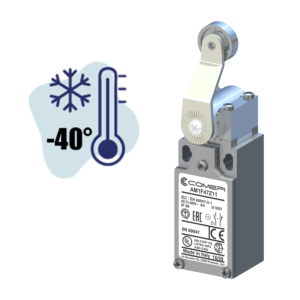
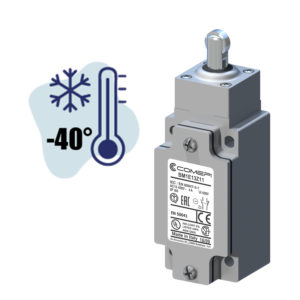
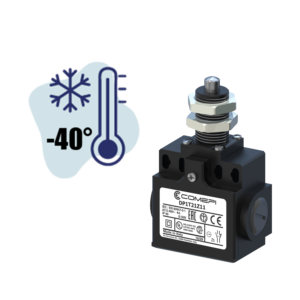
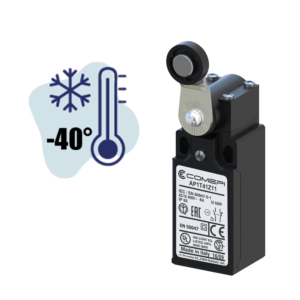
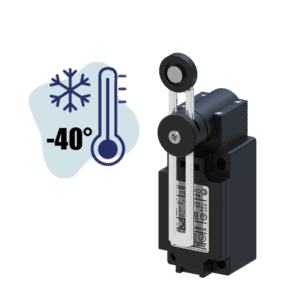
Limit switches in special version for low temperature applications. These devices, made in special materials, are able to extend the operational temperature range down to -40AAC, putting mechanical performances intact. The limit switches for low temperature applications are useful for refrigerated cells or equipments where the air operational temperature is very low.
Engineered for Extreme Environments
Designed to withstand challenging conditions, this limit switch operates seamlessly across a wide temperature range of -40C to +80C. Its enclosure, made from high-impact ABS, resists shocks up to 1000 m/s2 and vibrations within 10-55Hz. This durability makes it ideal for industrial settings subjected to rapid temperature fluctuations or mechanical stress.
Reliable and Consistent Performance
Equipped with a plunger-type actuator and SPDT contact configuration, the switch provides precise detection and quick response times below 50 ms. The high insulation resistance and low contact resistance ensure stable operation at voltages up to 250V AC and 24V DC, supporting automation with minimal downtime.
Safe, Certified, and Convenient
Compliant with IEC 60947-5-1 standards, the switch guarantees high safety and reliability. Its compact build, panel mount design, and flexible cable entry (PG13.5) facilitate straightforward installation and integration. The anti-corrosive matte finish and IP67 rating assure longevity, even in moist or dusty environments.
FAQ's of Limit switches for low temperature:
Q: How can this low temperature limit switch be used in industrial automation systems?
A: This limit switch is designed for integration into industrial automation systems, acting as a detection and signaling device to monitor mechanical movements or positions. Its SPDT configuration allows it to control and relay signals within machinery, ensuring reliable operation even in cold or fluctuating temperature environments.Q: What benefits does the high impact ABS enclosure provide?
A: The high impact ABS enclosure offers exceptional mechanical strength and resistance to shocks, vibrations, and external impacts, which helps protect the switch's internal components. This enhances the product's longevity and reliability, especially in rugged industrial applications.Q: When is it ideal to use a limit switch with a plunger-type actuator?
A: Plunger-type actuators are ideal when linear or direct mechanical actuation is required, such as detecting the presence or position of a moving part. This design provides accurate and repeatable activation, making it suitable for applications where mechanical contact is preferred.Q: Where should this limit switch be installed for optimal performance?
A: For optimal performance, the switch should be mounted on a clean, flat panel in environments consistent with its IP67 protection and operating temperature range of -40C to +80C. Its compact size allows easy installation in machinery panels or equipment housings.Q: What is the process for wiring the switch?
A: The switch features a panel mount design with flexible rubber-insulated cable entry via PG13.5. For installation, connect the wires according to your SPDT circuit requirements, ensuring proper insulation and grounding as per IEC 60947-5-1 standards for electrical safety.Q: How does its compliance with IEC 60947-5-1 benefit users?
A: Compliance with IEC 60947-5-1 ensures that the limit switch meets international standards for electrical safety and reliability, offering users confidence in its suitability for industrial use and facilitating easier certification or equipment export processes.Q: What makes this switch suitable for low temperature environments?
A: Thanks to its industrial-grade materials, robust construction, and certified operating temperature range from -40C to +80C (with storage down to -50C), the switch maintains performance and durability in extremely cold or fluctuating thermal conditions, making it ideal for cold storage, refrigeration, and similar demanding applications.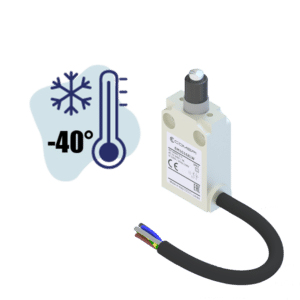
Tell us about your requirement

Price:
Quantity
Select Unit
- 50
- 100
- 200
- 250
- 500
- 1000+
Additional detail
Mobile number
Email

More Products in Limit Switches for Special Applications Category
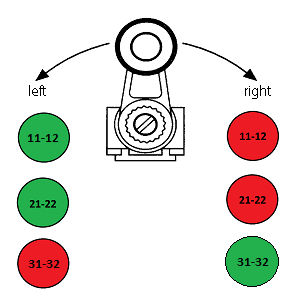
Limit switches with directional signals
Price 1200-2000 INR / Piece
Minimum Order Quantity : 10 Pieces
Material : Diecast aluminum housing, thermoplastic actuator
Mounting Type : Panel mount with screws
Contact Resistance : 25 m maximum (initial)
Max. Current : 10A
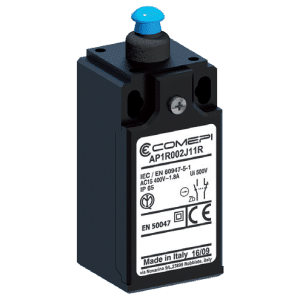
Limit switches for over-speed devices
Price 800-1200 INR / Piece
Minimum Order Quantity : 20 Pieces
Material : High Strength Metal Alloy with Polycarbonate Housing
Mounting Type : Panel/Surface Mount
Contact Resistance : 50 m
Max. Current : 10A
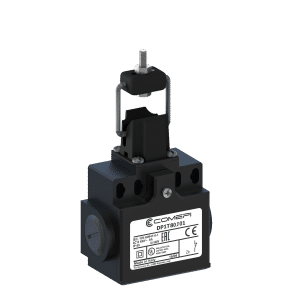
limit switches for lift applications
Price 1000-1500 INR / Piece
Minimum Order Quantity : 20 Pieces
Material : Engineering Plastic with Metal Components
Mounting Type : Panel/Surface Mount
Contact Resistance : 25 m
Max. Current : 10A
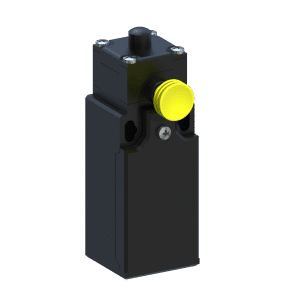
Limit switches for door closing simulation
Price 1000-1500 INR / Piece
Minimum Order Quantity : 10 Pieces
Material : Highgrade thermoplastic and stainless steel
Mounting Type : Panel Mount
Contact Resistance : 25m
Max. Current : 5A

Address
ISAC ENTERPRISES
GST : 27AYNPM0695C1Z8
GST : 27AYNPM0695C1Z8
- Unit No.404, Ace Aurum Commercial, Opposite Santosa Resort, Off Mumbai Bangalore Road, Ravet,Pune - 412101, Maharashtra, India
- Phone :07313726879
- Send Inquiry
 Send Inquiry
 Send Inquiry
 Send SMS
 |
ISAC ENTERPRISES
All Rights Reserved.(Terms of Use) Developed and Managed by Infocom Network Private Limited. |
